
HEALTH
What is Encompass Health? A Complete Guide

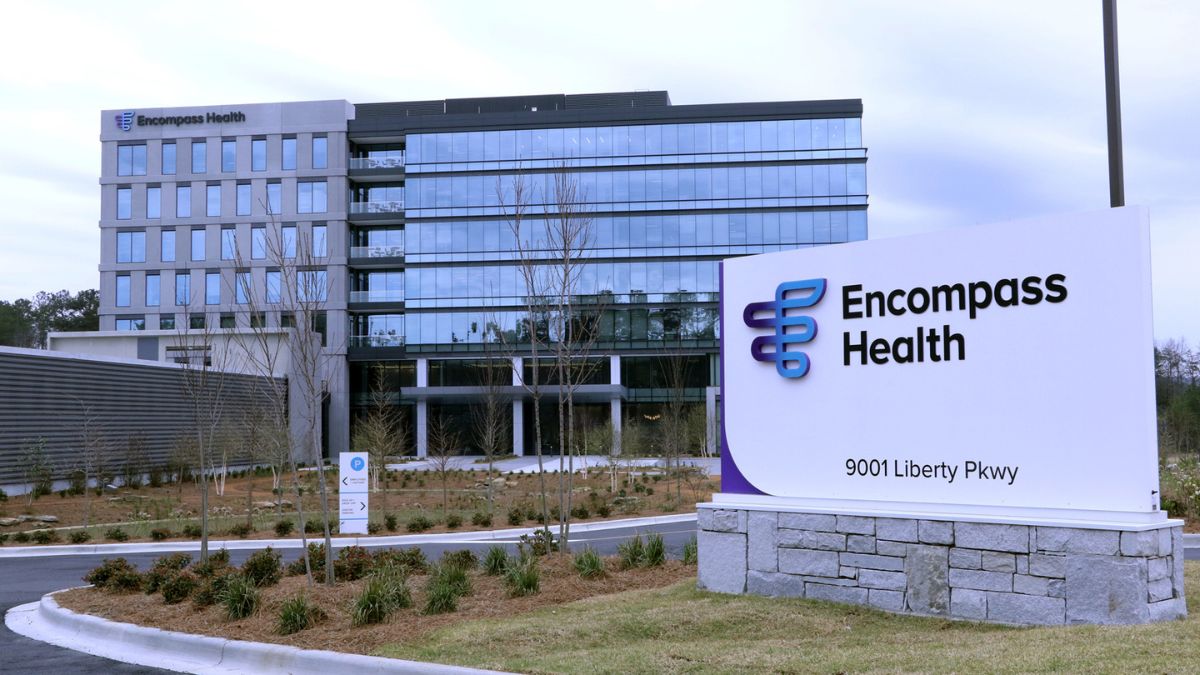
Encompass Health stands as one of the nation’s largest providers of post-acute healthcare services, specializing in inpatient rehabilitation and home health care. This guide explores what makes Encompass Health unique, the services they offer, and how they might fit into your healthcare journey.
Whether you’re recovering from a stroke, managing a chronic condition, or helping a loved one through rehabilitation, knowing what Encompass Health provides can help you make the best choices for your situation.
Understanding Encompass Health’s Mission
Encompass Health operates with a clear focus: helping patients recover and return to their daily lives as quickly and safely as possible. The company serves patients across the continuum of post-acute care, from intensive inpatient rehabilitation to ongoing home health services.
Founded on the principle that recovery looks different for everyone, Encompass Health tailors treatment plans to individual patient needs. Their approach combines medical expertise with advanced technology and compassionate care to support patients through some of the most challenging periods of their lives.
The organization has built its reputation on measurable outcomes, consistently working to improve patient satisfaction scores and functional independence measures. This data-driven approach helps ensure that patients receive effective, evidence-based care.
Core Services and Specialties
Inpatient Rehabilitation Hospitals
Encompass Health operates more than 150 inpatient rehabilitation hospitals across 36 states. These facilities specialize in treating patients who require intensive, coordinated rehabilitation services following major medical events.
Common conditions treated include:
- Stroke recovery
- Spinal cord injuries
- Traumatic brain injuries
- Hip fractures and joint replacements
- Neurological disorders
- Amputations
- Multiple trauma cases
Each hospital provides 24/7 medical supervision with specialized staff including physiatrists, rehabilitation nurses, physical therapists, occupational therapists, speech-language pathologists, and social workers.
Home Health Services
Through Encompass Health Home Health, the company extends care into patients’ homes. This service proves particularly valuable for individuals who need ongoing support but can safely recover in familiar surroundings.
Home health services include:
- Skilled nursing care
- Physical therapy
- Occupational therapy
- Speech therapy
- Medical social services
- Home health aide services
The home health division serves patients across 245 locations in 34 states, making it one of the largest home health providers in the country.
Hospice Care
Encompass Health also provides hospice services, focusing on comfort care for patients with life-limiting illnesses. Their hospice teams work to manage pain and symptoms while providing emotional and spiritual support to patients and families.
The Encompass Health Approach
Interdisciplinary Team Model
What sets Encompass Health apart is their interdisciplinary approach to patient care. Each patient works with a team of specialists who collaborate to create and implement personalized treatment plans.
The typical team includes:
- A physiatrist (rehabilitation medicine physician) who leads the team
- Rehabilitation nurses who provide specialized medical care
- Physical therapists focused on mobility and strength
- Occupational therapists who help with daily living skills
- Speech-language pathologists for communication and swallowing issues
- Social workers who assist with discharge planning and community resources
- Case managers who coordinate care
This team meets regularly to discuss patient progress and adjust treatment plans as needed.
Technology Integration
Encompass Health invests heavily in rehabilitation technology to enhance patient outcomes. Many facilities feature advanced equipment like robotic-assisted therapy devices, virtual reality systems for cognitive rehabilitation, and sophisticated gait training equipment.
These technologies allow therapists to provide more precise, engaging treatments while tracking patient progress with detailed data.
Quality Measures and Outcomes
Encompass Health tracks several key performance indicators to measure the effectiveness of their care:
Functional Independence Measure (FIM)
The FIM score assesses a patient’s level of independence in activities of daily living. Encompass Health consistently achieves FIM efficiency scores above national averages, indicating that patients make significant functional improvements during their stays.
Length of Stay
The company works to optimize length of stay, ensuring patients receive the intensive care they need without unnecessary extended stays. Their average length of stay typically ranges from 12-14 days, depending on the condition being treated.
Discharge to Community
A high percentage of Encompass Health patients successfully discharge to home or community settings rather than requiring long-term institutional care. This outcome reflects the effectiveness of their rehabilitation programs.
Who Can Benefit from Encompass Health Services
Ideal Candidates for Inpatient Rehabilitation
Patients typically qualify for inpatient rehabilitation when they:
- Can tolerate at least three hours of therapy per day
- Have rehabilitation potential and goals
- Require 24-hour medical supervision
- Need coordinated care from multiple therapy disciplines
- Are medically stable enough for intensive rehabilitation
Home Health Candidates
Home health services work well for patients who:
- Are homebound but don’t require 24-hour medical supervision
- Need skilled nursing or therapy services
- Can safely receive care in their home environment
- Have family or caregiver support available
Insurance and Coverage
Encompass Health accepts most major insurance plans, including Medicare, Medicaid, and private insurance. The company’s admissions teams work closely with patients and families to verify coverage and explain any out-of-pocket costs.
For Medicare patients, inpatient rehabilitation hospitals are covered under Medicare Part A when medical necessity criteria are met. Home health services are also covered under Medicare Part A for qualifying patients.
Choosing the Right Care Level
Selecting the appropriate level of post-acute care depends on several factors including medical complexity, functional status, social support, and personal preferences. Encompass Health’s assessment teams work with referring physicians and patients to determine the most suitable care setting.
Key considerations include:
- Medical stability and supervision needs
- Therapy tolerance and rehabilitation potential
- Home environment and caregiver availability
- Transportation access for outpatient services
- Personal goals and preferences
Moving Forward with Confidence
Encompass Health has established itself as a leader in post-acute care by consistently focusing on patient outcomes and satisfaction. Their comprehensive approach, from intensive inpatient rehabilitation to ongoing home health support, provides options for patients across the recovery spectrum.
If you or a loved one may benefit from rehabilitation services, consider discussing Encompass Health options with your physician or healthcare team. Their admissions specialists can help determine whether their services align with your specific needs and goals.
Recovery journeys vary greatly from person to person, but having access to specialized, coordinated care can make a significant difference in outcomes. Encompass Health’s network of facilities and services provides the infrastructure and expertise to support that journey, wherever it may lead.
Healthcare education has evolved dramatically over the past century, transforming from apprenticeship-based learning to sophisticated academic programs housed within specialized divisions. Among these educational structures, the division of health sciences stands as a cornerstone of modern healthcare training, preparing the next generation of medical professionals, researchers, and healthcare leaders.
Understanding what a division of health sciences encompasses can help prospective students, current healthcare professionals, and academic administrators navigate the complex landscape of health-related education. This comprehensive guide explores the structure, programs, benefits, and career opportunities within health sciences divisions at colleges and universities across the United States.
Understanding the Division of Health Sciences Structure
A division of health sciences typically operates as a distinct academic unit within a university or college, housing multiple departments that focus on health-related education and research. Unlike traditional academic colleges that might focus on liberal arts or business, health sciences divisions specifically concentrate on preparing students for careers in healthcare, public health, and related fields.
These divisions often include undergraduate and graduate programs spanning nursing, allied health professions, public health, health administration, and sometimes pre-professional programs for medicine, dentistry, and pharmacy. The organizational structure allows for interdisciplinary collaboration while maintaining specialized expertise within each department.
Most health sciences divisions feature state-of-the-art simulation labs, clinical training facilities, and partnerships with local healthcare systems. This infrastructure supports hands-on learning experiences that are essential for healthcare education, bridging the gap between theoretical knowledge and practical application.
Core Programs and Departments
Nursing Programs
Nursing typically represents the largest component of most health sciences divisions. These programs range from associate degree programs for registered nurses to doctoral programs for advanced practice nurses. Bachelor of Science in Nursing (BSN) programs have become increasingly popular as healthcare systems recognize the value of baccalaureate-prepared nurses.
Many divisions also offer accelerated BSN programs for students who already hold bachelor’s degrees in other fields, addressing the growing demand for nurses with diverse educational backgrounds. Graduate nursing programs often include specializations in nurse practitioner roles, nurse education, and nurse administration.
Allied Health Professions
Allied health programs encompass a broad range of healthcare careers that support patient care alongside physicians and nurses. Common programs include physical therapy, occupational therapy, respiratory therapy, medical laboratory science, radiologic technology, and health information management.
These programs typically combine classroom instruction with extensive clinical rotations, allowing students to gain real-world experience in healthcare settings. Many allied health programs maintain strong relationships with regional healthcare employers, facilitating job placement for graduates.
Public Health and Community Health
Public health programs focus on population health, disease prevention, and health promotion at the community level. These interdisciplinary programs draw from epidemiology, biostatistics, environmental health, health policy, and social and behavioral sciences.
Master of Public Health (MPH) programs have gained popularity as healthcare systems increasingly recognize the importance of preventive care and population health management. Some divisions also offer undergraduate public health programs and doctoral programs in public health or related fields.
Health Administration and Management
Healthcare administration programs prepare students for leadership roles in hospitals, clinics, insurance companies, and other healthcare organizations. These programs typically combine business principles with healthcare-specific knowledge, covering topics such as healthcare finance, quality improvement, and healthcare law.
The growing complexity of healthcare delivery has increased demand for skilled healthcare administrators who understand both the clinical and business aspects of healthcare organizations.
Benefits of Choosing a Health Sciences Division
Comprehensive Career Preparation
Health sciences divisions provide students with thorough preparation for healthcare careers through a combination of rigorous academic coursework and extensive practical experience. The emphasis on clinical training ensures graduates are ready to enter the workforce with confidence and competence.
Faculty members typically bring both academic credentials and practical healthcare experience to their teaching, providing students with current, relevant instruction that reflects real-world healthcare practices.
Interdisciplinary Learning Opportunities
The diverse programs within health sciences divisions create natural opportunities for interdisciplinary education. Students can learn alongside peers from different healthcare disciplines, fostering understanding of collaborative healthcare delivery that mirrors modern healthcare teams.
Many programs incorporate interprofessional education experiences where students from different programs work together on patient care scenarios or community health projects. This approach helps students develop teamwork skills essential for effective healthcare practice.
Strong Industry Connections
Health sciences divisions typically maintain extensive partnerships with healthcare organizations, providing students with access to clinical sites, internship opportunities, and potential employment. These relationships benefit both students and healthcare employers by ensuring graduates meet industry needs and expectations.
Advisory boards comprising healthcare professionals often guide curriculum development, helping ensure programs remain current with evolving healthcare practices and technologies.
Career Opportunities and Outcomes
Direct Patient Care Roles
Many graduates from health sciences divisions enter direct patient care roles, working as registered nurses, physical therapists, respiratory therapists, medical technologists, and other allied health professionals. These positions offer the opportunity to make immediate, tangible differences in patient outcomes and experiences.
Career advancement opportunities in direct care often lead to specialized roles, such as critical care nursing or pediatric physical therapy, or supervisory positions within healthcare departments.
Healthcare Leadership and Administration
Graduates with interests in healthcare management and policy often pursue leadership roles within healthcare organizations. These careers might involve managing clinical departments, overseeing quality improvement initiatives, or developing healthcare policies and procedures.
Advanced degrees in health administration or related fields can lead to executive positions such as hospital administrator, clinic manager, or health system executive.
Public Health and Community Outreach
Public health graduates often work for government agencies, non-profit organizations, or community health centers, focusing on disease prevention, health education, and community health improvement. These roles might involve developing health promotion campaigns, conducting epidemiological investigations, or managing public health programs.
The COVID-19 pandemic has highlighted the critical importance of public health professionals, leading to increased interest in and support for public health careers.
Research and Academia
Some graduates pursue research careers, contributing to the advancement of healthcare knowledge through clinical research, health services research, or basic science research. These positions might be based in universities, research institutions, or healthcare organizations.
Academic careers in health sciences divisions allow professionals to combine teaching, research, and service, helping prepare the next generation of healthcare professionals while advancing knowledge in their fields.
Preparing for Success in Health Sciences
Students considering programs within a division of health sciences should prepare for rigorous academic work combined with demanding practical experiences. Strong performance in prerequisite science courses demonstrates readiness for the scientific foundation required in healthcare education.
Volunteer experience in healthcare settings provides valuable exposure to healthcare environments and can strengthen applications to competitive programs. Many successful applicants have experience as certified nursing assistants, emergency medical technicians, or volunteers in hospitals or community health organizations.
Developing strong communication skills, both written and verbal, is essential for success in healthcare careers. Healthcare professionals must communicate effectively with patients, families, and colleagues from diverse backgrounds and varying levels of health literacy.
Your Path Forward in Health Sciences
The division of health sciences offers diverse pathways to meaningful careers in healthcare, each contributing to the health and well-being of individuals and communities. Whether your interests lie in direct patient care, healthcare leadership, public health, or research, these programs provide the foundation for professional success and personal fulfillment.
As healthcare continues to evolve, the need for skilled, compassionate healthcare professionals remains constant. Programs within health sciences divisions adapt to meet changing healthcare needs while maintaining their commitment to preparing graduates who can make positive differences in the lives of others.
Consider exploring specific programs within health sciences divisions that align with your interests and career goals. Many institutions offer information sessions, campus visits, and opportunities to shadow current students or practicing professionals, providing valuable insights into potential career paths.
Recovery from addiction is never just about stopping the use of a substance. It’s about healing on every level—physical, emotional, mental, and even spiritual. For many people, choosing where to begin that healing journey can be the most overwhelming part. Los Angeles, with its world-class health resources and access to both traditional and holistic wellness, has become one of the leading destinations for addiction treatment. But not all centers are created equal. In fact, there’s a growing trend toward more personalized, private, and luxurious options for those who seek more than the standard rehab experience.
Addiction does not discriminate. It affects people across every walk of life—from students and parents to executives and celebrities. The need for privacy, specialized care, and healing in a comfortable environment has led many to search for high-end treatment facilities. This is where luxury rehab centers truly stand out. These programs offer everything a traditional rehab does—but with elevated amenities, deeper customization, and more serene, supportive environments that nurture long-lasting transformation.
When it comes to luxury rehab centers Los Angeles residents and those from around the world can rely on, House of Zen has become a well-respected name. Known for blending clinical excellence with spa-like serenity, House of Zen is designed for individuals who want more than a temporary fix. They provide a space where recovery is not just about detox or group therapy—it’s about rediscovering balance, regaining purpose, and rebuilding life in a way that feels authentic.
What sets House of Zen apart is the way they prioritize the whole person, not just the addiction. Treatment begins with a comprehensive assessment that includes everything from mental health screenings to lifestyle evaluations. Many clients come in struggling with co-occurring disorders like anxiety, trauma, or depression—conditions that often contribute to substance use but are overlooked in traditional programs. At House of Zen, these challenges are addressed head-on through integrated dual diagnosis care that treats both the addiction and its underlying causes.
This center is not just about luxurious surroundings—it’s about creating the right emotional and psychological conditions for healing. Therapy is delivered in a variety of ways: individual sessions, small group discussions, cognitive behavioural therapy, and trauma-informed care. But House of Zen also integrates non-traditional therapies like guided meditation, sound healing, yoga, and expressive arts, all of which help clients connect more deeply with themselves in ways that traditional talk therapy might not.
Every detail of the House of Zen environment has been designed with intention. The property features beautifully designed private suites, peaceful outdoor spaces, and elegant common areas that feel more like a wellness retreat than a hospital. This design helps to reduce stress, foster relaxation, and support the overall recovery process. Many clients report that this kind of atmosphere allows them to let their guard down, feel safe, and truly engage with their healing work.
Nutrition also plays a major role in recovery at House of Zen. Clients receive balanced, chef-prepared meals tailored to their physical needs, dietary preferences, and wellness goals. Nutritional support, along with movement-based therapies and mindfulness practices, are seen as essential pieces of long-term recovery. It’s not just about quitting a substance—it’s about rebuilding a healthier, more empowered version of oneself.
Another strength of House of Zen is their attention to discretion and confidentiality. Many clients who enter treatment here are high-profile professionals or public figures. Their comfort, safety, and privacy are protected with the utmost care. Staff are trained not only in clinical best practices but also in maintaining a compassionate and judgment-free environment.
Family involvement is also encouraged, though it’s always handled with sensitivity. Addiction affects more than just the person using substances—it impacts families, relationships, and social dynamics. Through family therapy and educational sessions, House of Zen supports healing beyond the individual. Loved ones can better understand the nature of addiction and how to become part of the solution rather than perpetuate cycles of harm.
Equally important is what happens after residential treatment. House of Zen understands that the first few month’s post-rehab are often the most vulnerable time for relapse. That’s why they provide detailed aftercare planning and offer continuing support through outpatient programs, alumni connections, and referrals to sober living when appropriate. Clients don’t just graduate and disappear—they become part of an ongoing recovery community.
House of Zen’s approach resonates with people because it’s built on the belief that healing should be dignified. There is no shame in seeking help, and there is no reason why someone should have to suffer in order to heal. By treating addiction as a complex and multifaceted condition rather than a moral failing, House of Zen creates a path forward that feels empowering instead of punishing.
And perhaps most importantly, clients leave House of Zen with more than just sobriety. They leave with a clearer sense of identity, stronger emotional resilience, and a support network they can lean on. Recovery becomes a journey of growth, not just a battle to be won.
In the landscape of luxury rehab centers Los Angeles offers, House of Zen continues to raise the bar. Their combination of cutting-edge clinical care, holistic healing, and thoughtful design makes them one of the most trusted names in addiction treatment for those who expect the very best. But beyond the amenities and reputation, what truly defines House of Zen is their unwavering commitment to human connection, compassion, and healing.
For those ready to start over and build a life free from addiction, House of Zen provides a haven of hope—where comfort meets care, and change becomes not only possible, but lasting.
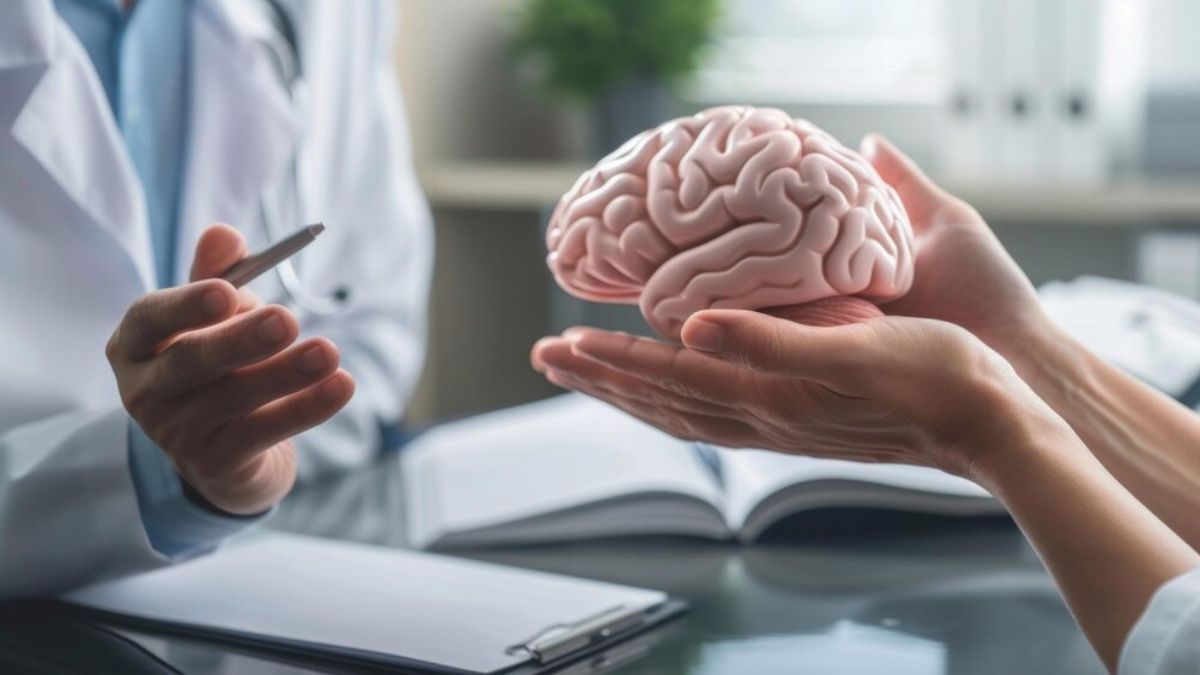
Introduction: What is Personalized Neurotherapy?
In recent years, individualized neurotherapy has gained popularity for its novel approach to cognitive wellness. One method making waves in the medical community is transcranial magnetic stimulation Utah, which exemplifies how targeted interventions can transform patient outcomes. This therapy uses individualized data to tailor treatments, aligning with the trend toward precision medicine, where treatments are customized to the individual rather than applied broadly.
Personalized neurotherapy, in contrast to traditional therapies, is uniquely tailored to individual mental health needs. This personalized approach promises enhanced effectiveness, aligning with the broader shift in healthcare towards customized treatment plans. By concentrating on each patient’s specific neurological patterns, therapists can achieve more successful and long-term therapy outcomes.
Personalized neurotherapy is a tailored form of therapy that merges advancements in neuroscience with the growing demand for personalized healthcare. It is not a one-size-fits-all approach but a deeply individualized one. Intended to improve individuals’ cognitive function, this approach uses sophisticated data and neurofeedback techniques to create optimized brain patterns. By focusing on unique neural activities, personalized neurotherapy offers a bespoke treatment plan for each patient, addressing their unique neurological disorders and enhancing their cognitive efficiency and mental clarity.
Understanding the Science Behind Neurotherapy
Neurofeedback Basics
Rooted in decades of research, neurofeedback is a noninvasive method of interacting with brainwave activity. The technique involves monitoring devices that produce real-time visual or auditory feedback to help train the brain. For example, individuals with anxiety might be taught to modify their brainwave patterns to promote a state of calm. This method is pivotal for enhancing concentration and mitigating symptoms associated with various neurological disorders.
Technological Advances
The effectiveness and accessibility of individualized neurotherapy have significantly increased as technology has advanced. Cutting-edge tools enable clinicians to gain detailed insights into an individual’s brain activity, which allows for more tailored treatment plans. Virtual reality and sophisticated imaging technologies have enabled more precise visualization and interaction with brain patterns. As Forbes noted, integrating technology in mental health care is ushering in an era where precision in therapy is increasingly achievable.
Benefits of Personalized Neurotherapy in Cognitive Health
Tailored specifically to the individual’s needs, personalized neurotherapy offers several distinct advantages. Patients often experience notable improvements in memory retention, attention span, and overall mental clarity. Unlike traditional therapies that might yield mixed results across a broad range of individuals, personalized neurotherapy enhances brain efficiency, crafting a more focused and adaptive treatment journey. This bespoke approach promises faster improvements and aligns treatment pathways with each patient’s unique neurological makeup.
Common Conditions Treated with Neurotherapy
- Anxiety: Neurotherapy aims to balance and calm brainwave patterns, offering relief from heightened anxiety symptoms.
- Depression: By focusing on mood-regulating brain activity, neurotherapy provides an alternate approach to conventional treatments, aiming to reestablish healthy neural pathways.
- ADHD: Through targeted feedback, children and adults with ADHD can improve focus and reduce symptoms of impulsivity and hyperactivity.
- PTSD: For people living with PTSD, customized neurofeedback sessions can assist in the management and reduction of intrusive symptoms.
The Function of Data and Analytics
Data and analytics are critical components of individualized neurotherapy, offering a thorough knowledge of how individuals’ brains function. By leveraging comprehensive data sets, therapists can craft treatment plans highly specific to each patient’s needs. This data-driven approach ensures interventions are optimally effective, offering results that closely align with individual cognitive patterns and challenges.
Challenges and Considerations
Despite the vast potential of personalized neurotherapy, several challenges must be addressed to reach its full impact in mental health care. One key challenge is the need for practitioners to have specific training to deliver and understand neurotherapeutic treatments appropriately. With neurotherapy involving complex technologies such as brainwave monitoring and advanced neurofeedback, professionals must deeply understand the neurological processes and specific treatment protocols to ensure efficacy and patient safety. Furthermore, Psychology Today observes that the growing integration of digital tools, such as mobile applications and virtual platforms, creates both possibilities and challenges. On one hand, these tools can enhance accessibility, monitoring, and real-time data collection.
Furthermore, for personalized neurotherapy to be effective long-term, these methods must be backed by rigorous scientific research and ethically implemented in clinical settings. The scientific community and healthcare providers must work together to establish ethical guidelines, evidence-based practices, and patient-centered care models that ensure these innovative treatments benefit individuals sustainably and reliably.
Conclusion: The Future of Personalized Neurotherapy
The future of personalized neurotherapy is exceptionally promising, potentially transforming how cognitive and emotional health are understood and treated. Grounded in neuroscience and powered by advancements in brain imaging, machine learning, and biofeedback technology, personalized neurotherapy aims to identify and address specific neurological patterns linked to mental health conditions such as anxiety, depression, ADHD, and PTSD. Rather than applying a one-size-fits-all model, this approach uses individualized brain mapping and real-time data to develop targeted interventions that adapt to a patient’s unique neurological profile. As research continues to explore the brain’s plasticity and the intricacies of neural networks, integrating artificial intelligence and wearable neurotechnology may further enhance the precision and accessibility of these treatments. Ultimately, personalized neurotherapy reflects a paradigm shift—moving from generalized symptom management to highly tailored brain-based solutions that support long-term cognitive resilience and mental well-being.
-

 NEWS4 months ago
What is www.avstarnews.com and What Does It Offer?
-

 TECHNOLOGY8 months ago
Gomyfinance Invest: Simplify Your Path to Financial Growth
-

 TECHNOLOGY4 months ago
Atfboru: A Creative Platform for Designers, Artists, and Entrepreneurs
-

 BUSINESS4 months ago
.Ydesi: Exploring Its Significance and Applications
-

 CRYPTO7 months ago
Crypto30x.com Gemini: Revolutionize Your Crypto Trading Experience
-

 NEWS1 year ago
Dogo News: The Latest Trends in the World of Dogo Argentino
-

 EDUCATION1 year ago
the christian between the gospel and society
-

 ENTERTAINMENT1 year ago
WWE SmackDown Episode 1491: Unforgettable Moments That Left Fans Roaring