
TECHNOLOGY
The Benefits of Installing a Boiler Heating System in Your Home


When it comes to heating your home efficiently and comfortably, few systems can rival the effectiveness of a boiler heating system. Whether you’re building a new home or upgrading your existing heating solution, a boiler can be a great investment. Below, we’ll explore the key benefits of installing a boiler heating system in your home to help you decide if it’s the right choice for you.
1. Energy Efficiency
Boiler systems are known for their exceptional energy efficiency compared to traditional boiler heating system like furnaces. Instead of blowing hot air, boilers use hot water to heat your home. Water is a better conductor of heat than air, meaning less energy is required to achieve the same level of warmth. Additionally, many modern boilers are engineered with energy-saving technologies, helping you reduce your carbon footprint while cutting down on heating costs.
2. Even and Consistent Heating`
Have you noticed cold spots with forced-air heating systems? Boilers Heating System provide more consistent warmth because they distribute heat evenly through radiators, baseboards, or underfloor heating systems. This method eliminates the drafts and temperature fluctuations associated with other heating systems, ensuring every room feels cozy and inviting.
3. Improved Air Quality
Unlike forced-air systems, which can circulate dust, allergens, and pollutants throughout your home, boiler heating system produce radiant heat without moving air. This makes boilers particularly appealing for households with individuals who suffer from allergies or asthma, as they promote cleaner indoor air quality.
4. Quiet Operation
Forced-air systems can be noisy due to blowing air and fan motors. Boilers, on the other hand, operate almost silently. Once installed, you’ll enjoy a peaceful and quiet environment without the distracting sounds of a clicking fan or air blowing through vents.
5. Reliability and Longevity
A well-maintained boiler can last 15–20 years or longer, providing reliable heat year after year. Modern boilers are built to high-performance standards, ensuring durability and fewer breakdowns compared to other systems. With regular check-ups and proper maintenance, your boiler can serve your home for decades.
6. Space Savings
Boilers tend to have a compact design, requiring less space in your home compared to furnaces or forced-air systems. Many can be wall-mounted or tucked away in a small utility room, giving you more flexibility when it comes to interior design and space utilization.
7. Customizable Heating Options
Boiler heating systems allow for zoned heating, meaning you can individually control the temperature for different rooms or areas in your home. This gives you the freedom to personalize your comfort level and save energy by only heating the spaces you’re using.
8. Reduced Maintenance
While all heating systems require routine maintenance, boilers generally have fewer moving parts compared to furnaces or forced-air systems. This translates to lower chances of mechanical failure and reduced annual repair costs.
9. Eco-Friendly Heating
If environmental sustainability is important to you, a boiler heating system can align with your values. Many new boiler models are designed for eco-friendliness by using high-efficiency components and sustainable fuel sources like natural gas or solar.
Should You Choose a Boiler Heating System?
Installing a boiler heating system in your home offers a wealth of benefits, from energy efficiency and consistent heating to improved air quality and long-term reliability. While the initial installation cost might be higher than other heating systems, the long-term cost savings, comfort, and reliability often make it a worthwhile investment.
Want more guidance on finding the perfect heating system for your home? Consult with a trusted heating professional to explore the best options for your space and budget—you might find that a boiler is just what you’re looking for.
In conclusion, a boiler heating system offers numerous advantages that make it a compelling choice for homes. The energy efficiency, consistent heating, improved air quality, and long-term reliability make it a worthwhile investment for homeowners seeking comfort and cost savings. Despite the higher initial installation cost, the long-term benefits and environmental sustainability of a boiler system make it an attractive option. To determine the best heating system for your home, consult with a trusted heating professional who can provide guidance tailored to your specific needs and budget. With their expertise, you can make an informed decision and potentially discover that a boiler heating system is the perfect fit for your home.
FAQs
Q: Is a boiler heating system suitable for all types of homes?
A: Yes, a boiler heating system can be installed in various types of homes, including single-family houses, apartments, and multi-story buildings. However, it’s essential to consult with a heating professional to assess the specific requirements of your home and ensure proper sizing and installation.
Q: Are boiler heating systems energy-efficient?
A: Yes, boiler heating systems are known for their energy efficiency. They provide radiant heat, which is more efficient and comfortable compared to forced-air systems. Additionally, modern boilers are designed with advanced features like condensing technology, which further improves their energy efficiency.
Q: How long do boiler heating systems typically last?
A: With proper maintenance and care, boiler heating systems can last for several decades. The lifespan can vary depending on factors such as the quality of installation, regular maintenance, and the specific model of the boiler. Regular maintenance by a qualified professional is essential to ensure optimal performance and longevity.
Q: Are boiler heating systems environmentally friendly?
A: Boiler heating systems can be environmentally friendly, especially when paired with high-efficiency models and sustainable fuel sources. They produce lower greenhouse gas emissions compared to some other heating systems, contributing to a more sustainable and eco-friendly home heating solution.
Q: How much does it cost to install a boiler heating system?
A: The cost of installing a boiler heating system can vary based on factors such as the size of the home, the type of boiler, and the complexity of the installation. It’s recommended to obtain quotes from reputable heating professionals to get an accurate estimate tailored to your specific needs and requirements.
Q: Can a boiler heating system provide both heating and hot water?
A: Yes, many boiler heating systems can provide both space heating and hot water. They can be designed to supply radiant floor heating, baseboard heating, and provide hot water for domestic use, offering convenience and efficiency in one system.
Remember to consult with a heating professional to get personalized answers to your specific questions and ensure the best heating solution for your home.


Unleashing Creativity with Purpose
Designers, artists, and entrepreneurs often find themselves at the intersection of creativity and business, where ideas converge and innovation thrives. Atfboru is a platform built to cater to this unique intersection—empowering professionals across industries to connect, create, and grow. Whether you’re a graphic designer showcasing your portfolio, an artist searching for collaborators, or an entrepreneur looking for tailored design solutions, Atfboru offers a space where inspiration meets opportunity. But what exactly makes this platform a go-to resource? This blog will explore the features, benefits, and opportunities Atfboru provides, and why it’s the perfect tool for anyone in creative industries.
What is Atfboru?
Atfboru (pronounced “at-for-you”) is a specialized platform designed to bring designers, artists, and entrepreneurs together. Unlike generic websites or job boards, Atfboru creates a supportive ecosystem where users can network, showcase their work, and build meaningful partnerships.
From hiring talented designers to finding rare art supplies, it’s a one-stop destination tailored to the creative community. With its diverse tools and features, Atfboru empowers users to make their mark in industries that thrive on originality and skill.
Features That Set Atfboru Apart
Atfboru is not just another platform—it’s a purpose-driven solution that makes life easier for creative professionals. Here’s what makes it unique:
A Hub for Portfolio Showcasing
For artists and designers, visibility is key to attracting clients or collaborators. Atfboru offers an optimized space to curate and display your portfolio online.
Responsive designs ensure your showcase looks immaculate on any device.
Portfolio analytics allow users to see who’s viewing their work and how they engage with it.
Customizable templates help reflect your unique brand and style.
Streamlined Client Collaboration
One of Atfboru’s standout features is its collaboration suite for freelancers and agencies. Here’s what you can expect:
Project management tools to organize deadlines, assets, and tasks.
Instant messaging for seamless client communication.
Document sharing and feedback integration so that ideas can flow without friction.
Marketplace for Creative Resources
Have you struggled to buy or sell niche design tools? This platform hosts a dedicated marketplace where users can find everything from exclusive art supplies to digital design templates.
Entrepreneurs can source logos, custom illustrations, or branding kits.
Artists and designers can sell stock images, limited-edition prints, or small-batch handmade goods.
Global Networking Opportunities
Community building is one of Atfboru’s core values. The platform connects you with peers, mentors, and collaborators worldwide.
Participate in global forums and discussions.
Join local meetups or virtual brainstorming sessions.
Access mentorship programs with top names in creative fields.
Educational and Business Tools
Success requires both talent and strategic know-how. Atfboru equips users with tools for strategic growth:
Workshops and webinars cover techniques, trends, and skill-building.
Business templates for contracts, invoices, and proposals simplify the professional side of creativity.
AI-powered recommendations suggest potential clients, collaborators, or projects aligned with your skills.
Why Entrepreneurs, Designers, and Artists Love Atfboru
Atfboru thrives because it’s built for creative individuals by those who understand the challenges of their professions. Here’s why the platform has gained such traction across creative industries.
For Entrepreneurs
Running a startup is demanding, and curating a memorable brand design takes significant effort. With Atfboru, entrepreneurs can easily hire vetted professionals, explore ready-made tools, and stay on track with strategic branding.
Example: Sarah, a bakery owner, collaborated with a graphic designer on Atfboru to create a logo that encapsulated her brand’s vision, leading to increased foot traffic and social media engagement.
For Designers
Beyond portfolio hosting, Atfboru is a dream come true for designers juggling freelance gigs, collaborations, and personal projects.
Example: A seasoned UX designer, Leo, found a mobile app project on Atfboru. Using the integrated project management tools, he delivered incredible results, earning a five-star rating and ongoing work with the client.
For Artists
The challenge for many artists lies in reaching the right buyers for their unique pieces. Through Atfboru’s marketplace and community, artists can showcase their talent and connect with an audience that values their craft.
Example: Maya, an illustrator, used Atfboru to sell limited-edition prints of her artwork, gaining both income and recognition.
How to Get Started on Atfboru
Joining Atfboru is as easy as 1-2-3:
Create Your Account: Sign up and fill out your profile to showcase your skills and specialties.
Explore Features: Set up your portfolio, upload content to the marketplace, or browse potential collaborators.
Engage with the Community: Join discussions, attend events, and post your work to attract the right opportunities.
Atfboru offers both free and premium plans, allowing you to scale your use of the platform based on your needs. With premium access, users unlock advanced insights, extended storage, and priority visibility.
Building the Future with Atfboru
Whether you’re designing, painting, or crafting a powerful brand, Atfboru offers the tools, network, and inspiration to take your creativity further. Partner with other like-minded individuals, and turn ideas into impactful projects that matter.
Creativity thrives in the right environment, and with Atfboru, you don’t just survive—you succeed. What are you waiting for? Your next big idea needs a platform.

Are you looking for a smarter, simpler way to manage your investments and achieve your financial goals? Welcome to Gomyfinance Invest—a cutting-edge platform designed to empower your financial growth. Whether you’re a seasoned investor or just getting started, Gomyfinance Invest offers intuitive tools, expert insights, and a streamlined approach to investing.
This blog will walk you through how Gomyfinance Invest simplifies personal finance management, the unique tools it provides, and how it can help you unlock your financial potential.
What is Gomyfinance Invest?
Gomyfinance Invest is an innovative financial platform built to make investing accessible, intuitive, and rewarding. Its mission is simple yet impactful—it aims to help everyday individuals grow their wealth confidently without the intimidating jargon or steep learning curves of traditional investment platforms.
The platform leverages powerful technology and expert guidance to provide unique features like goal-based investing, portfolio recommendations, and real-time performance tracking. Whether your goal is saving for a dream vacation, buying a home, or planning for retirement, Gomyfinance Invest helps you stay on track and informed every step of the way.
Why Gomyfinance Invest Stands Out From the Crowd
The financial world can feel overwhelming when considering where to invest your hard-earned money. With so many apps, platforms, and advisors vying for attention, how do you know which one is right for you? Here’s why Gomyfinance Invest sets itself apart:
1. Simple, User-Friendly Design
Navigating your financial tools shouldn’t feel like solving a Rubik’s Cube. Gomyfinance Invest boasts an intuitive and clean interface designed for ease of use across all experience levels. From setting up your account to monitoring your portfolio, every feature is built to make your investing experience seamless—even if it’s your first time.
2. Tailored Investment Strategies
No two financial journeys are alike. Gomyfinance Invest offers personalized recommendations based on your goals, risk tolerance, and investment timeline. These tailored strategies ensure that you’re not using a one-size-fits-all approach but one specifically designed to meet your unique needs.
3. Goal-Based Investing
Unlike traditional platforms that center solely around products, Gomyfinance Invest focuses on you—your aspirations and financial milestones. You can set clear goals, such as saving for your child’s education or building an emergency fund, and the platform will create a roadmap to guide your investment choices.
4. Comprehensive Insights
Understanding where your money is going and how it’s growing is key to smart investing. Gomyfinance Invest provides detailed yet easy-to-read reports and analysis, helping you keep track of your progress. You’ll get insights into your portfolio’s performance, market trends, and areas for optimization.
5. Low Fees with High Returns
Investing shouldn’t mean losing money to hidden charges or exorbitant fees. With Gomyfinance Invest, you benefit from a transparent pricing structure that ensures more of your money stays invested—and working hard for your financial future.
Key Features That Simplify Financial Growth
Now that you understand what makes Gomyfinance Invest unique, let’s explore the tools that help redefine the investing experience.
Smart Portfolios
Gomyfinance Invest’s Smart Portfolio technology automates your investments based on your selected goals and preferences. Once your preferences are set, the portfolio is adjusted automatically to maintain balance and optimize your returns. It’s investing on autopilot—but smarter.
Educational Resources
Empower yourself with terminology-free, accessible financial education material. Gomyfinance Invest believes every user should feel confident in making decisions, which is why they offer interactive tutorials, market updates, and expert insights to supplement your learning.
Responsive Mobile App
Stay on top of your finances wherever you are. The Gomyfinance Invest mobile app allows you to monitor your accounts, make adjustments to your investments, and receive real-time financial updates—all with a couple of taps. Managing your finances has never been this convenient.
Bank-Level Encryption
Your security matters. Gomyfinance Invest uses bank-grade encryption to protect your data and transactions, offering peace of mind while you focus on growing your finances.
Community of Investors
Join a thriving network of like-minded individuals who share tips, insights, and encouragement. Gomyfinance Invest fosters a sense of community, allowing you to connect and learn from others who are also navigating their financial goals.
Who Can Benefit from Gomyfinance Invest?
Gomyfinance Invest is perfect for anyone looking to simplify investing while potentially achieving better results. Whether you’re a complete newbie to finance, working professional, or a seasoned investor, the platform adjusts to meet your needs.
- First-Time Investors: Eliminate the intimidation factor with step-by-step guidance and simple interfaces.
- Busy Professionals: Stay hands-off while tailored automation tools manage your portfolio.
- Seasoned Investors: Enjoy advanced insights and the ability to fine-tune your financial strategy.
How to Get Started with Gomyfinance Invest
Starting your financial journey with Gomyfinance Invest is easy. Here’s how to get up and running in no time:
- Sign Up
Visit the Gomyfinance Invest website or download the app to create your account. It only takes a few minutes to begin your investing adventure.
- Set Your Goals
Define what you want to achieve financially, from long-term growth to short-term savings.
- Personalize Your Preferences
Choose your risk tolerance and investment preferences with their simple questionnaire.
- Fund Your Account
Link your bank account securely or transfer funds directly.
- Start Investing
Sit back and watch as your money starts working for you with optimized and automated strategies.
- Track and Adjust
Monitor your progress, adjust your goals, and make modifications as needed.
Investing in Your Future Made Easy
Financial growth doesn’t have to be overly complicated. Gomyfinance Invest simplifies the process so you can focus less on the “how” and more on the “why.” From goal-setting to smart portfolio management, every feature is designed with you in mind.
Take control of your financial future today by trying out Gomyfinance Invest. Whether you’re saving for a rainy day or aiming for ambitious life goals, this platform empowers you to make it happen with confidence.
Simplify Your Investments Today!
Are you ready to take the first step toward financial growth? Start your investment journey with Gomyfinance Invest—for free. Explore their tools, set your goals, and watch your investment ambitions turn into reality. [Sign Up Now!]
Conclusion
In conclusion, achieving your financial goals and growing your wealth doesn’t have to be daunting or complex. With Gomyfinance Invest, you can simplify the investment process and focus on the reasons behind your financial aspirations. From goal-setting to smart portfolio management, Gomyfinance Invest is designed to empower you every step of the way. Start your investment journey today and take control of your financial future. Sign up for free with Gomyfinance Invest and unlock a world of possibilities for effortless financial growth.
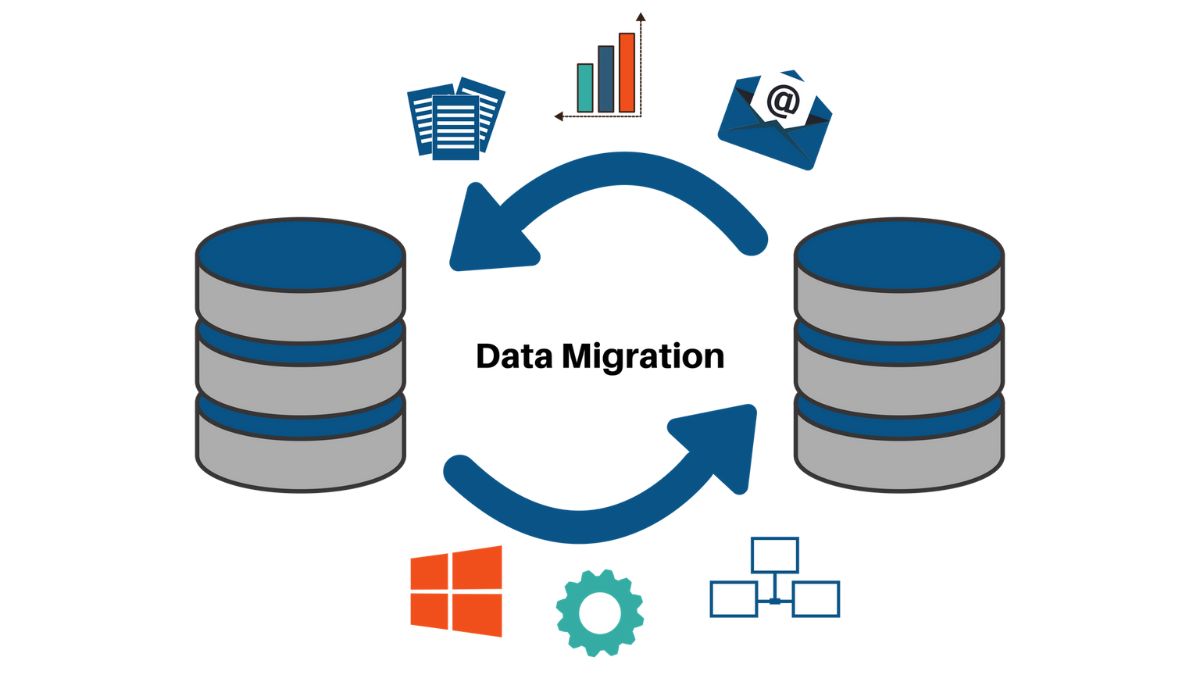
Every organization pursuing modernization faces the same critical challenge: moving data to the cloud. While often underestimated, this step ultimately determines whether digital transformation succeeds or stalls. Data migration is not simply about transferring files. It is about protecting data integrity, minimizing disruption, and establishing a reliable foundation for innovation.
To achieve this level of precision, enterprises are increasingly adopting managed, automation-led frameworks known as Data Migration as a Service. This structured approach combines governance, tooling, and specialized expertise to deliver clean, compliant, and future-ready cloud data environments.
Why Cloud Migration Is a Strategic Imperative
Cloud adoption has moved well beyond cost optimization. It is now a strategic requirement for competitiveness. Organizations rely on cloud platforms for scalability, security, and advanced analytics that traditional systems struggle to support.
Yet many transformation initiatives lose momentum when migration itself becomes a bottleneck. Fragmented data silos, legacy formats, regulatory constraints, and downtime risks can derail even the most carefully planned programs. Addressing these challenges requires a disciplined roadmap and expert execution, both of which are central to a service-based migration model supported by data migration consulting expertise.
Understanding the Modern Migration Model
Traditional migrations often rely on ad hoc processes led by internal IT teams juggling multiple priorities. This approach can lead to inconsistencies, untracked errors, and extended downtime. In contrast, a managed migration framework follows a repeatable, controlled methodology.
The process typically begins with data discovery and mapping, followed by cleansing, transfer, validation, and optimization. Each phase is automated and monitored to ensure accuracy at scale. Instead of manually moving data, enterprises leverage intelligent orchestration tools that track dependencies, flag anomalies, and maintain business continuity throughout the transition.
Benefits of a Managed Data Migration Framework
Data migration is both a technical and strategic initiative. When managed effectively, it does more than move information — it strengthens governance, improves visibility, and enhances the overall value of enterprise data.
1. Precision and Reliability
Automated validation and reconciliation ensure that data integrity is never compromised. These mechanisms detect discrepancies early and provide real-time feedback, reducing the risk of corruption or loss.
2. Speed and Operational Continuity
Predefined workflows and migration templates accelerate execution while minimizing downtime. Operations continue seamlessly, even as large volumes of data are transferred in the background.
3. Transparent Costs
By converting migration into a service, organizations gain clear visibility into cost structures. Predictable pricing replaces the uncertainty that comes with internally managed projects.
4. Built-In Security and Compliance
Encryption, access controls, and policy enforcement are embedded throughout. Providers align with ISO and GDPR standards, ensuring full compliance for regulated industries, including finance and healthcare.
5. Scalability for Growth
The framework scales effortlessly to accommodate evolving data volumes and hybrid architectures. Whether the target is Azure, AWS, or a private cloud, the same methodology applies across environments.
The Core Phases of a Successful Migration
A methodical approach transforms migration from a high-risk task into a controlled, measurable process. Each phase builds on the last to ensure consistency and confidence in the end result.
Assessment and Planning
A detailed assessment identifies data sources, dependencies, and business priorities. This insight guides timeline, resourcing, and sequencing decisions, ensuring alignment between IT strategy and operational needs.
Data Preparation and Mapping
Cleansing and standardization follow. Outdated, redundant, or incomplete records are removed. The remaining data is classified and mapped to the destination structure to ensure compatibility.
Execution
Automated tools transfer the data securely using encrypted pipelines. Progress is tracked through dashboards that provide transparency across business and IT stakeholders.
Validation
Post-migration checks verify completeness and accuracy. Reports reconcile migrated datasets with sources, confirming that every transaction and record remains intact.
Optimization
Finally, the new cloud environment is fine-tuned for performance and scalability. Indexing, storage tiering, and access controls are refined to ensure long-term efficiency.
Technology Enablers That Power Modern Migration
Modern migration strategies rely on automation, AI, and cloud-native orchestration. Platforms such as Azure Data Factory and AWS Glue streamline extraction and loading, while advanced analytics platforms supported through Databricks services enhance transformation, validation, and performance optimization at scale.
Machine learning further improves accuracy by identifying duplicates, predicting dependencies, and recommending corrective actions. Together, these capabilities reduce risk and significantly accelerate large-scale migration initiatives.
When a Service-Based Migration Model Makes Sense
A managed migration approach is particularly effective for organizations facing complex environments or major transformation initiatives, such as ERP modernization, mergers, or multi-cloud adoption.
It is well-suited when:
- Legacy systems lack direct integration with modern platforms
- Internal teams are constrained by capacity or expertise
- Regulatory requirements demand precision and uptime assurance
- The business needs to modernize rapidly without operational disruption
In these scenarios, a service-based model delivers accountability, resilience, and speed while allowing internal teams to focus on innovation rather than execution.
Migration as a Foundation for Continuous Innovation
Successful migration does more than relocate data. It fundamentally changes how data can be leveraged. Once centralized in the cloud, organizations can deploy advanced analytics, AI models, and automation to drive efficiency and insight.
A modern data foundation also simplifies future transitions. Subsequent migrations, expansions, or platform changes become faster and less disruptive when built on a standardized, service-driven framework.
Final Perspective
Cloud transformation begins with data, and the way that data is moved shapes everything that follows. Managed migration frameworks remove uncertainty, reduce risk, and provide a structured path toward scalable, secure modernization.
In an environment where agility defines competitiveness, adopting Data Migration as a Service is not merely a technical decision. It is a strategic investment in long-term resilience, innovation, and growth.
-

 CRYPTO2 years ago
Navigating iTraderCoin.com: A Beginner’s Guide to Cryptocurrency Trading
-

 Social media2 years ago
Sinfuldeeds onlyfans: The Allure and Controversy
-

 FASHION2 years ago
The Best Dressed Characters On-Screen—and What They Teach Us About Style
-

 ENTERTAINMENT6 months ago
Puppygirlxd: The Rise of a Canine-Inspired Internet Sensation
-

 TECHNOLOGY6 months ago
Gomyfinance Invest: Simplify Your Path to Financial Growth
-

 TECHNOLOGY6 months ago
Atfboru: A Creative Platform for Designers, Artists, and Entrepreneurs
-

 NEWS6 months ago
What is www.avstarnews.com and What Does It Offer?
-

 BUSINESS6 months ago
.Ydesi: Exploring Its Significance and Applications