
TECHNOLOGY
Laser Hair Removal Buy Machine Checklist: What Every First-Time Buyer Must Know


Many people are now offering laser hair removal services as it is a budget-friendly approach to removing unwanted hair while simultaneously increasing revenue for clinics and spas. If you wish to buy a laser hair removal machine, this guide will assist you in making informed decisions and avoiding traps that will cost you excess money. A common mistake new business owners make is purchasing their equipment from a retail store because they believe it’s cheaper; this is not true, especially when the equipment is bought from spa supplies wholesale stores with certified machines. The above mentioned stores give access to cheaper machines but also come with misleading marketing strategies that divert focus from the actual performance of the machines. Knowing which machine to buy based on the needs of the business can truly be beneficial as it evokes satisfaction and helps save countless amounts of money. Here’s everything to know before buying professional laser hair removal machines that are suitable for your spa.
Skin Safety, Tech Compatibility, & Understanding
The different technologies used in hair removal machines profoundly impact the treatment outcomes, skin compatibility, and safety. Diode lasers are quite popular because of their ideal use over several skin types due to their deep reach and energy balance. Alexandrite lasers with lighter skin tones work best, as they offer quicker treatment times. Darker skin with deeper follicles are best suited to Nd:YAG lasers. There is also IPL (Intense Pulsed Light), a non-laser option, which might work on lighter skin and hair but is widely regarded as less accurate, making it more appropriate for beginner clinics. To maintain safety and effectiveness, it is important to use the appropriate type of laser. The choice of laser should fit the demographics of the clients’ skin colors and hair types to minimize risk and ensure best results. Lastly, devices with advanced cooling features, adjustable parameters, and skin detection sensors greatly mitigate the chances of burns or irritation. Everyone knows that machines need to have FDA, CE, and ISO safety certifications, proving that the equipment has reached international health and safety standards. If you are wholesaling spa supplies, check that your vendor has clear product specs along with the right certification documents.
Request a demonstration or case studies highlighting their clinical outcomes to confirm the performance claims.
Machine Usability and Design Considerations
Using the machine for the first time can be an intimidating experience, which is why most users look for guidance with the proper setup and ergonomic design. Touch screens that allow for treatment presets enhance the treatment accuracy, especially for new users. Additional ease can be offered through protocols enabling technicians to select skin type or body areas for treatment sessions in order to increase consistency across multiple treatments. Weighing the handpieces is important as well; a light and well-balanced handpiece allows for longer treatment time without causing operator strain. Through adjustable spot sizes, both small and large areas can be targeted better, providing better ease and relief to the patient. Software updates are important alongside the ability to change settings since no one wants to work with outdated tech after a year. The addition of training materials is useful as they can come in the form of manuals, online videos, or even live virtual training, enabling the users to operate the device confidently. This approach is especially beneficial when new vendors opt to combine their training materials and accessories with devices which allows the complete set to be delivered in one package. Used as a launching point to advertise a new service, along with targeting reduced spending time, this technique yields great results.
Certain suppliers might provide tailored customer support for your area, guaranteeing that response times are quicker if any problems arise.
Warranty, Maintenance and Long-Term Performance
Usability and reliability over time are considerations equal to initial performance. Laser machines undergo strenuous work, requiring gradual maintenance or replacement of parts such as handpieces, laser heads, and cooling systems. A high-quality machine should provide no less than 1 million pulses per handpiece, with maintenance intervals clearly articulated in the user manual. Inquire from vendors concerning the availability of consumable items such as filters, gels, protective eyewear, and determine the ease of obtaining spare parts locally. Machines featuring low long-term maintenance requirements and high levels of durability minimize service calendar interruptions and reduce costs. Warranties should span a minimum of 12 months after purchase, covering use, parts, and labor, although some suppliers provide additional warranties, upgrades or tiered options. Purchasing through a spa supplies wholesale distributor often provides faster access to support, spare parts and technical diagnostics, aiding in the spa’s operational flow while rapidly resolving potential problems. Inquire with the vendors about backup machines during repairs or onsite servicing. These details, while seeming minor, actually become helpful when a spa is fully operational.
Budgeting ROI, and Choosing the Right Supplier
Pricing is always important for first-time buyers and for spa owners. However, remember that budget concerns should not come ahead of quality, safety, and support. It’s important to understand what value means in conjunction with pricing. Some lower-cost devices tend to compromise quality areas such as Safety and durability or energy stability leading to inconsistent results or even client complaints. Focus on value instead of price alone. How much will this machine benefit you? What is the anticipated lifespan of its servicing? At what rate can the investment be recouped? For instance, in laser hair removal, a session will cost $100 to $300 depending on the market. Using just 30 to 40 treatments can justify the expenditure on a good quality device. This is why it is essential to find reliable spa supplies wholesale vendors. They provide bulk discounts as well and ensure that their clients only receive quality products from reputable manufacturers. Many also offer promotional materials, marketing kits, or clientele consultation tools which aids in quick project initialization. Always include factors like training, maintenance service, and responsiveness in ROI calculations. A vendor with a positively responsive approach contributes to machine performance optimization.
Some even provide entire packages that have several machines or accessories, allowing you to save even more.
Conclusion
For beauty professionals and spa owners venturing into laser hair removal, selecting a machine is among the most important choices of your business. From comprehending technology to client protection and user-friendliness alongside constant care, there are a myriad of necessary factors to consider prior to making a purchase. Opting to laser hair removal buy machine through a trustworthy spa supplies wholesale channel gives you access to not only affordable pricing but also machines that are performance-tested and supported. Take your time, ask questions, and contemplate the long-term visions. The right choice today makes a solid investment for years down the line in client satisfaction and business expansion. Think about building a reputation and concrete results for your brand – the right equipment lays down laser-focused precision to meet your brand vision. The best choice at this stage could drastically lower future costs, preserve clients, and advance the already unrivaled services well above competitors for years unfurling.
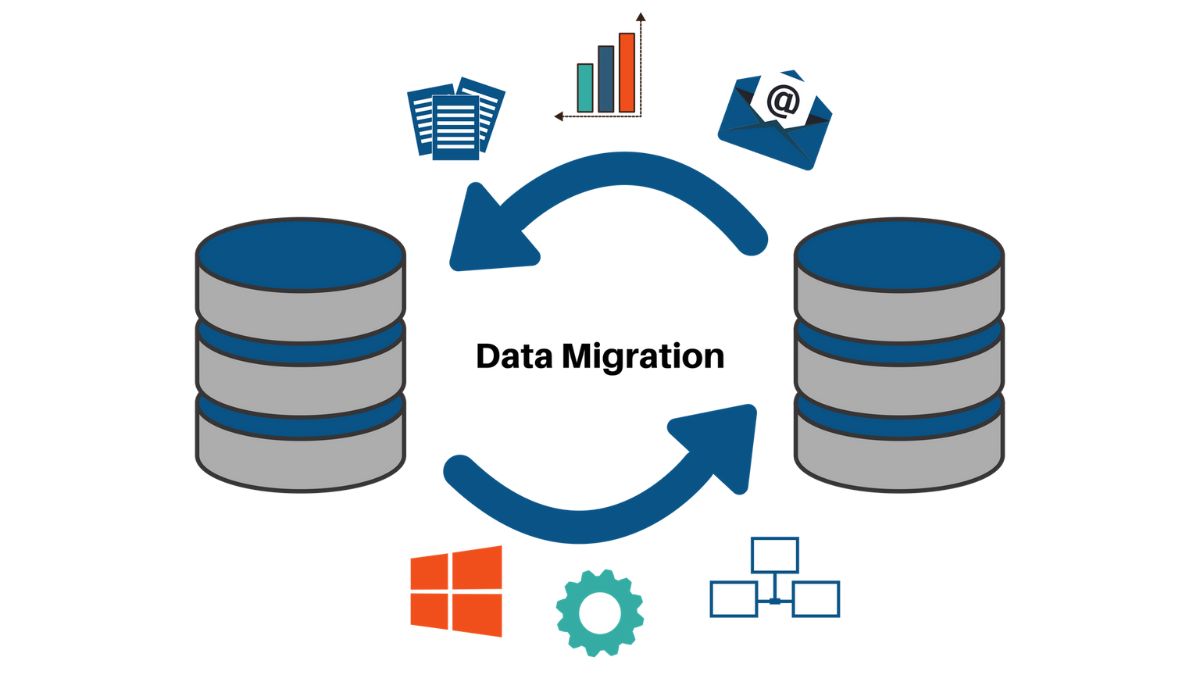
Every organization pursuing modernization faces the same critical challenge: moving data to the cloud. While often underestimated, this step ultimately determines whether digital transformation succeeds or stalls. Data migration is not simply about transferring files. It is about protecting data integrity, minimizing disruption, and establishing a reliable foundation for innovation.
To achieve this level of precision, enterprises are increasingly adopting managed, automation-led frameworks known as Data Migration as a Service. This structured approach combines governance, tooling, and specialized expertise to deliver clean, compliant, and future-ready cloud data environments.
Why Cloud Migration Is a Strategic Imperative
Cloud adoption has moved well beyond cost optimization. It is now a strategic requirement for competitiveness. Organizations rely on cloud platforms for scalability, security, and advanced analytics that traditional systems struggle to support.
Yet many transformation initiatives lose momentum when migration itself becomes a bottleneck. Fragmented data silos, legacy formats, regulatory constraints, and downtime risks can derail even the most carefully planned programs. Addressing these challenges requires a disciplined roadmap and expert execution, both of which are central to a service-based migration model supported by data migration consulting expertise.
Understanding the Modern Migration Model
Traditional migrations often rely on ad hoc processes led by internal IT teams juggling multiple priorities. This approach can lead to inconsistencies, untracked errors, and extended downtime. In contrast, a managed migration framework follows a repeatable, controlled methodology.
The process typically begins with data discovery and mapping, followed by cleansing, transfer, validation, and optimization. Each phase is automated and monitored to ensure accuracy at scale. Instead of manually moving data, enterprises leverage intelligent orchestration tools that track dependencies, flag anomalies, and maintain business continuity throughout the transition.
Benefits of a Managed Data Migration Framework
Data migration is both a technical and strategic initiative. When managed effectively, it does more than move information — it strengthens governance, improves visibility, and enhances the overall value of enterprise data.
1. Precision and Reliability
Automated validation and reconciliation ensure that data integrity is never compromised. These mechanisms detect discrepancies early and provide real-time feedback, reducing the risk of corruption or loss.
2. Speed and Operational Continuity
Predefined workflows and migration templates accelerate execution while minimizing downtime. Operations continue seamlessly, even as large volumes of data are transferred in the background.
3. Transparent Costs
By converting migration into a service, organizations gain clear visibility into cost structures. Predictable pricing replaces the uncertainty that comes with internally managed projects.
4. Built-In Security and Compliance
Encryption, access controls, and policy enforcement are embedded throughout. Providers align with ISO and GDPR standards, ensuring full compliance for regulated industries, including finance and healthcare.
5. Scalability for Growth
The framework scales effortlessly to accommodate evolving data volumes and hybrid architectures. Whether the target is Azure, AWS, or a private cloud, the same methodology applies across environments.
The Core Phases of a Successful Migration
A methodical approach transforms migration from a high-risk task into a controlled, measurable process. Each phase builds on the last to ensure consistency and confidence in the end result.
Assessment and Planning
A detailed assessment identifies data sources, dependencies, and business priorities. This insight guides timeline, resourcing, and sequencing decisions, ensuring alignment between IT strategy and operational needs.
Data Preparation and Mapping
Cleansing and standardization follow. Outdated, redundant, or incomplete records are removed. The remaining data is classified and mapped to the destination structure to ensure compatibility.
Execution
Automated tools transfer the data securely using encrypted pipelines. Progress is tracked through dashboards that provide transparency across business and IT stakeholders.
Validation
Post-migration checks verify completeness and accuracy. Reports reconcile migrated datasets with sources, confirming that every transaction and record remains intact.
Optimization
Finally, the new cloud environment is fine-tuned for performance and scalability. Indexing, storage tiering, and access controls are refined to ensure long-term efficiency.
Technology Enablers That Power Modern Migration
Modern migration strategies rely on automation, AI, and cloud-native orchestration. Platforms such as Azure Data Factory and AWS Glue streamline extraction and loading, while advanced analytics platforms supported through Databricks services enhance transformation, validation, and performance optimization at scale.
Machine learning further improves accuracy by identifying duplicates, predicting dependencies, and recommending corrective actions. Together, these capabilities reduce risk and significantly accelerate large-scale migration initiatives.
When a Service-Based Migration Model Makes Sense
A managed migration approach is particularly effective for organizations facing complex environments or major transformation initiatives, such as ERP modernization, mergers, or multi-cloud adoption.
It is well-suited when:
- Legacy systems lack direct integration with modern platforms
- Internal teams are constrained by capacity or expertise
- Regulatory requirements demand precision and uptime assurance
- The business needs to modernize rapidly without operational disruption
In these scenarios, a service-based model delivers accountability, resilience, and speed while allowing internal teams to focus on innovation rather than execution.
Migration as a Foundation for Continuous Innovation
Successful migration does more than relocate data. It fundamentally changes how data can be leveraged. Once centralized in the cloud, organizations can deploy advanced analytics, AI models, and automation to drive efficiency and insight.
A modern data foundation also simplifies future transitions. Subsequent migrations, expansions, or platform changes become faster and less disruptive when built on a standardized, service-driven framework.
Final Perspective
Cloud transformation begins with data, and the way that data is moved shapes everything that follows. Managed migration frameworks remove uncertainty, reduce risk, and provide a structured path toward scalable, secure modernization.
In an environment where agility defines competitiveness, adopting Data Migration as a Service is not merely a technical decision. It is a strategic investment in long-term resilience, innovation, and growth.


Unleashing Creativity with Purpose
Designers, artists, and entrepreneurs often find themselves at the intersection of creativity and business, where ideas converge and innovation thrives. Atfboru is a platform built to cater to this unique intersection—empowering professionals across industries to connect, create, and grow. Whether you’re a graphic designer showcasing your portfolio, an artist searching for collaborators, or an entrepreneur looking for tailored design solutions, Atfboru offers a space where inspiration meets opportunity. But what exactly makes this platform a go-to resource? This blog will explore the features, benefits, and opportunities Atfboru provides, and why it’s the perfect tool for anyone in creative industries.
What is Atfboru?
Atfboru (pronounced “at-for-you”) is a specialized platform designed to bring designers, artists, and entrepreneurs together. Unlike generic websites or job boards, Atfboru creates a supportive ecosystem where users can network, showcase their work, and build meaningful partnerships.
From hiring talented designers to finding rare art supplies, it’s a one-stop destination tailored to the creative community. With its diverse tools and features, Atfboru empowers users to make their mark in industries that thrive on originality and skill.
Features That Set Atfboru Apart
Atfboru is not just another platform—it’s a purpose-driven solution that makes life easier for creative professionals. Here’s what makes it unique:
A Hub for Portfolio Showcasing
For artists and designers, visibility is key to attracting clients or collaborators. Atfboru offers an optimized space to curate and display your portfolio online.
Responsive designs ensure your showcase looks immaculate on any device.
Portfolio analytics allow users to see who’s viewing their work and how they engage with it.
Customizable templates help reflect your unique brand and style.
Streamlined Client Collaboration
One of Atfboru’s standout features is its collaboration suite for freelancers and agencies. Here’s what you can expect:
Project management tools to organize deadlines, assets, and tasks.
Instant messaging for seamless client communication.
Document sharing and feedback integration so that ideas can flow without friction.
Marketplace for Creative Resources
Have you struggled to buy or sell niche design tools? This platform hosts a dedicated marketplace where users can find everything from exclusive art supplies to digital design templates.
Entrepreneurs can source logos, custom illustrations, or branding kits.
Artists and designers can sell stock images, limited-edition prints, or small-batch handmade goods.
Global Networking Opportunities
Community building is one of Atfboru’s core values. The platform connects you with peers, mentors, and collaborators worldwide.
Participate in global forums and discussions.
Join local meetups or virtual brainstorming sessions.
Access mentorship programs with top names in creative fields.
Educational and Business Tools
Success requires both talent and strategic know-how. Atfboru equips users with tools for strategic growth:
Workshops and webinars cover techniques, trends, and skill-building.
Business templates for contracts, invoices, and proposals simplify the professional side of creativity.
AI-powered recommendations suggest potential clients, collaborators, or projects aligned with your skills.
Why Entrepreneurs, Designers, and Artists Love Atfboru
Atfboru thrives because it’s built for creative individuals by those who understand the challenges of their professions. Here’s why the platform has gained such traction across creative industries.
For Entrepreneurs
Running a startup is demanding, and curating a memorable brand design takes significant effort. With Atfboru, entrepreneurs can easily hire vetted professionals, explore ready-made tools, and stay on track with strategic branding.
Example: Sarah, a bakery owner, collaborated with a graphic designer on Atfboru to create a logo that encapsulated her brand’s vision, leading to increased foot traffic and social media engagement.
For Designers
Beyond portfolio hosting, Atfboru is a dream come true for designers juggling freelance gigs, collaborations, and personal projects.
Example: A seasoned UX designer, Leo, found a mobile app project on Atfboru. Using the integrated project management tools, he delivered incredible results, earning a five-star rating and ongoing work with the client.
For Artists
The challenge for many artists lies in reaching the right buyers for their unique pieces. Through Atfboru’s marketplace and community, artists can showcase their talent and connect with an audience that values their craft.
Example: Maya, an illustrator, used Atfboru to sell limited-edition prints of her artwork, gaining both income and recognition.
How to Get Started on Atfboru
Joining Atfboru is as easy as 1-2-3:
Create Your Account: Sign up and fill out your profile to showcase your skills and specialties.
Explore Features: Set up your portfolio, upload content to the marketplace, or browse potential collaborators.
Engage with the Community: Join discussions, attend events, and post your work to attract the right opportunities.
Atfboru offers both free and premium plans, allowing you to scale your use of the platform based on your needs. With premium access, users unlock advanced insights, extended storage, and priority visibility.
Building the Future with Atfboru
Whether you’re designing, painting, or crafting a powerful brand, Atfboru offers the tools, network, and inspiration to take your creativity further. Partner with other like-minded individuals, and turn ideas into impactful projects that matter.
Creativity thrives in the right environment, and with Atfboru, you don’t just survive—you succeed. What are you waiting for? Your next big idea needs a platform.

Meta Description: Discover proven precision repair solutions that keep your fleet running efficiently. Expert strategies to minimize downtime and reduce maintenance costs.
Fleet downtime costs businesses an average of $760 per vehicle per day, making precision repair solutions critical for operational success. Whether you manage a construction fleet, agricultural equipment, or commercial vehicles, implementing the right repair strategies can have a significant impact on your bottom line. This comprehensive guide explores seven precision solutions that will help you maintain peak equipment performance while minimizing costly interruptions to your operations.
1. Predictive Maintenance Through Advanced Diagnostics
Modern fleet management relies heavily on predictive maintenance technologies that identify potential issues before they become costly breakdowns. Advanced diagnostic systems use real-time data monitoring to track engine performance, hydraulic pressure, and component wear patterns. These systems can detect anomalies in engine temperature fluctuations, oil pressure variations, and unusual vibration patterns that often precede major failures.
Fleet managers who implement predictive maintenance programs report up to 25% reduction in maintenance costs and 70% fewer unexpected breakdowns. The key lies in establishing baseline performance metrics for each piece of equipment and setting automated alerts when parameters deviate from normal ranges. This proactive approach allows maintenance teams to schedule repairs during planned downtime rather than dealing with emergencies that can halt entire operations.
2. Specialized Component Rebuilding Services
Rather than replacing entire systems, precision rebuilding of critical components offers significant cost savings while maintaining reliability standards. Professional rebuilding services focus on restoring diesel engine components such as fuel injection systems, turbochargers, and cylinder heads to original manufacturer specifications. This approach extends equipment life while providing performance that matches or exceeds new part standards.
The rebuilding process involves comprehensive disassembly, precision machining, and reassembly using updated seals and wear components. Quality rebuilding services provide detailed documentation of work performed and often include warranties that rival new part guarantees. This solution proves particularly valuable for older equipment where new parts may be expensive or difficult to source.
3. Mobile Repair Units for On-Site Service
Deploying mobile repair capabilities directly to equipment locations eliminates the time and expense associated with transporting disabled machinery to service facilities. Mobile units equipped with diagnostic computers, precision tools, and common replacement parts can resolve approximately 80% of field breakdowns on-site. These units prove especially valuable for construction sites, agricultural operations, and remote industrial locations where equipment transportation presents logistical challenges.
Successful mobile repair programs maintain detailed inventory management systems that track parts usage patterns and ensure technicians carry appropriate components for their assigned equipment types. GPS tracking and dispatch software optimize response times, while digital work order systems provide real-time updates to fleet managers and equipment operators.
4. Precision Hydraulic System Maintenance
Hydraulic systems power critical functions in most heavy equipment, making their proper maintenance essential for reliable operation. Precision hydraulic maintenance involves regular fluid analysis, filter replacement schedules, and system pressure testing to identify developing problems. Contaminated hydraulic fluid accounts for approximately 75% of hydraulic system failures, making fluid cleanliness monitoring a crucial preventive measure.
Professional hydraulic maintenance includes comprehensive system flushing, seal replacement, and component calibration using manufacturer-specified procedures. Regular maintenance schedules should account for operating conditions, with more frequent service intervals for equipment operating in dusty or high-temperature environments. Proper hydraulic maintenance can extend component life by 300% compared to reactive repair approaches.
5. Computerized Parts Inventory Management
Effective parts management balances inventory investment with equipment availability requirements. Computerized inventory systems track parts usage patterns, lead times, and equipment criticality to optimize stock levels. These systems can automatically generate purchase orders when inventory reaches predetermined reorder points, ensuring critical components remain available without excessive capital investment.
Advanced inventory management incorporates equipment age, manufacturer recommendations, and historical failure data to predict future parts requirements. Integration with equipment monitoring systems provides automated alerts when specific components approach recommended replacement intervals, allowing maintenance teams to schedule work efficiently while parts are readily available.
6. Certified Technician Training Programs
Equipment complexity continues to increase, making ongoing technician education essential for precision repairs. Certified training programs ensure repair personnel understand proper diagnostic procedures, safety requirements, and manufacturer specifications. Technicians with current certifications complete repairs 40% faster with significantly lower callback rates compared to uncertified personnel.
Training programs should cover electronic diagnostic systems, hydraulic troubleshooting, and safety protocols specific to equipment types in your fleet. Regular skills assessments and continuing education requirements maintain technician competency levels while introducing new repair techniques and technologies. Investment in technician training typically generates returns of $3-5 for every dollar spent through improved efficiency and reduced rework.
7. Quality Control and Documentation Systems
Systematic quality control processes ensure repairs meet specified standards while providing accountability for work performed. Documentation systems track repair history, parts installed, and performance outcomes to identify recurring issues and optimize maintenance strategies. Digital work orders with photo documentation provide detailed records that support warranty claims and regulatory compliance requirements.
Quality control checkpoints should include pre-repair inspections, work verification procedures, and post-repair testing protocols. Regular audits of completed work help identify training needs and process improvements. Comprehensive documentation also supports equipment valuation for insurance and resale purposes while demonstrating maintenance compliance for regulatory inspections.
Implementing these precision repair solutions requires careful planning and investment in systems, training, and equipment. However, the resulting improvements in equipment reliability, reduced downtime, and lower total cost of ownership make these investments essential for maintaining a competitive fleet operation. Start by evaluating your current maintenance practices and identifying areas where precision solutions can deliver the greatest impact on your operational efficiency and profitability.
-

 NEWS3 months ago
What is www.avstarnews.com and What Does It Offer?
-

 TECHNOLOGY8 months ago
Gomyfinance Invest: Simplify Your Path to Financial Growth
-

 TECHNOLOGY3 months ago
Atfboru: A Creative Platform for Designers, Artists, and Entrepreneurs
-

 BUSINESS3 months ago
.Ydesi: Exploring Its Significance and Applications
-

 CRYPTO7 months ago
Crypto30x.com Gemini: Revolutionize Your Crypto Trading Experience
-

 NEWS1 year ago
Dogo News: The Latest Trends in the World of Dogo Argentino
-

 EDUCATION1 year ago
the christian between the gospel and society
-

 ENTERTAINMENT1 year ago
WWE SmackDown Episode 1491: Unforgettable Moments That Left Fans Roaring